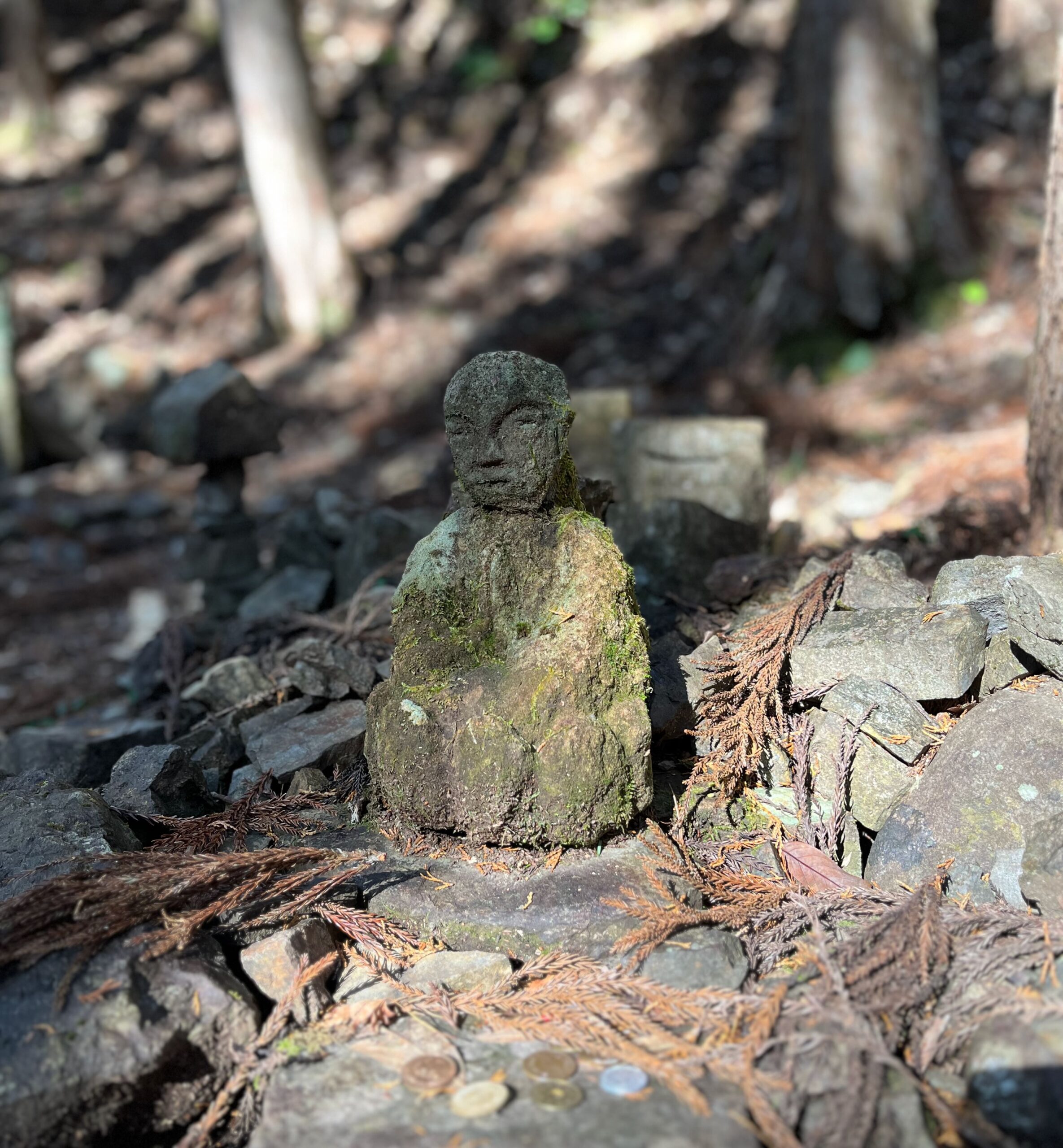
The Kumano Kodo Nakahechi is a UNESCO World Heritage pilgrimage route stretching from Tanabe City in Wakayama Prefecture to Kumano Hongu Taisha Grand Shrine. Revered since the Heian period (794–1185) as a sacred path of death and rebirth, this trail has been walked continuously for over 1,000 years — and today draws visitors from around the world.
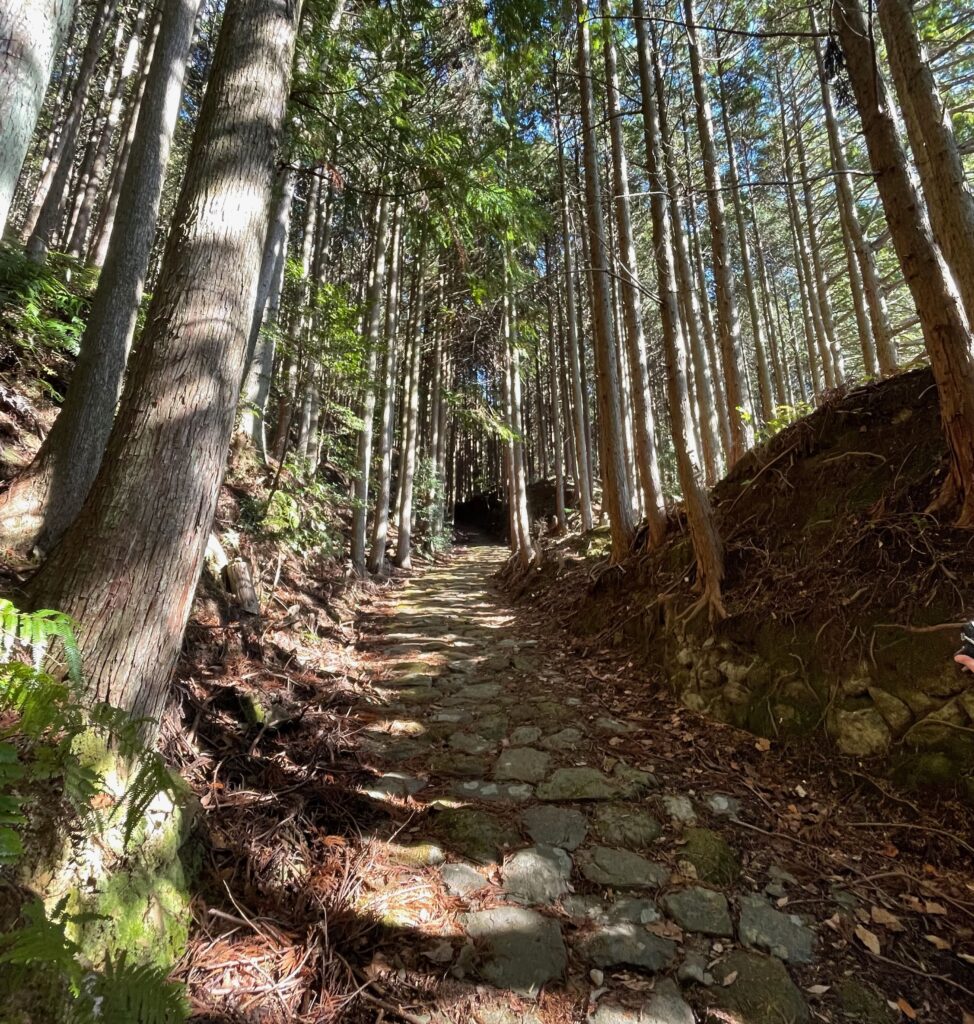
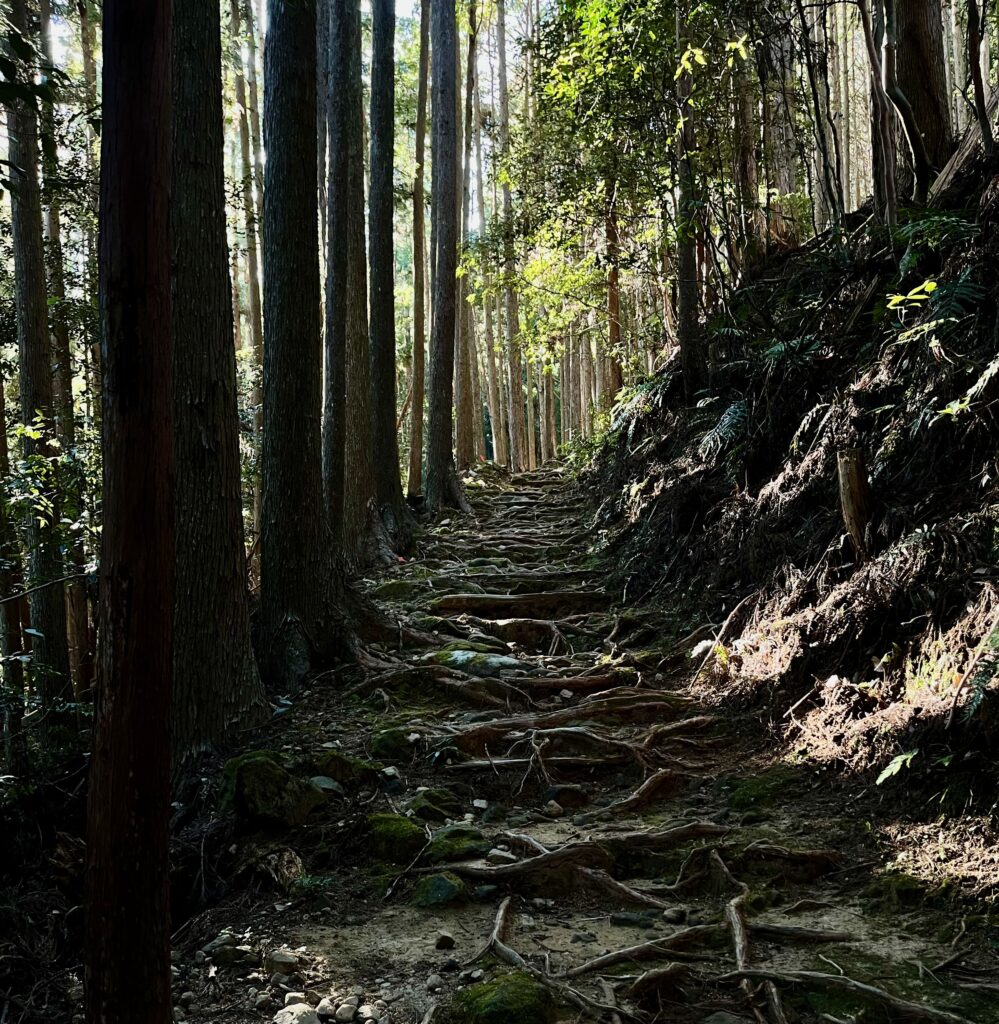
The route is recognized as one of Japan’s great long trails. Dense cedar forests, moss-covered stone pavements, and a profound sense of stepping back through time define the experience. The highlight section runs approximately 40 km from Takijiri-oji to Kumano Hongu Taisha.
One reason the Kumano Kodo is well known among international hikers: it holds a sister trail partnership with the Camino de Santiago in Spain — the only such pairing in the world. This connection has made the trail especially popular with Western visitors, and English-speaking accommodations and trail information are widely available.
Route Options
Takijiri → Kumano Hongu Taisha — 38 km (Normal Route)
Map of the route “Kumano Kodo Nakahechi – Run or Hike a 1,000-Year-Old Pilgrimage Trail”: 37.92 km, 1,897 m of climbing and 1,885 m of descent, elevation between 77 m and 694 m. It starts at 33.77546, 135.50571 and ends at 33.84009, 135.77374 (latitude, longitude).
最高点の標高: 694 m
累積標高(上り): 1897 m
累積標高(下り): 1885 m
Chikatsuyu → Kumano Hongu Taisha — 27 km (Short Route)
Map of the route “Kumano Kodo Nakahechi – Run or Hike a 1,000-Year-Old Pilgrimage Trail”: 26.42 km, 1,199 m of climbing and 1,447 m of descent, elevation between 90 m and 669 m, time 05:47:03. It starts at 33.81237, 135.59479 and ends at 33.84014, 135.77373 (latitude, longitude).
最高点の標高: 670 m
累積標高(上り): 1199 m
累積標高(下り): 1447 m
Course Overview
| Start | Takijiri-oji (or Chikatsuyu / Kobiro-toge for shorter options) |
| Finish | Kumano Hongu Taisha (or Yunomine Onsen) |
| Access | Osaka → Kii-tanabe Station (Limited Express Kuroshio, ~2 hrs) → local bus to Takijiri-oji. Tokyo → Nanki-Shirahama Airport (JAL, ~1 hr 15 min) → bus/taxi to Kiitanabe Station → local bus to Takijiri-oji. |
| Resupply | Michi-no-Eki Kumano Kodo Nakahechi (roadside rest stop), A-Coop supermarket in Chikatsuyu, vending machines from Hosshinmon-oji onward |
| Escape routes | Takijiri to Kogahara-toge: Route 311 runs parallel. Kogahara-toge to Hosshinmon-oji: escape is difficult — plan accordingly |
| Onsen | Yunomine Onsen / Kawayu Onsen |
Getting There
From Osaka
Take the Limited Express Kuroshio to Kiitanabe Station (approx. 2 hours), then catch a local bus to Takijiri-oji, the trailhead.
From Tokyo
Fly JAL to Nanki-Shirahama Airport (approx. 1 hr 15 min), then take a bus or taxi to Kiitanabe Station, and connect to the trail bus. If time is a priority, flying is the way to go.
Start & Finish
Start: Takijiri-oji
The standard starting point for the Nakahechi. Expect a steep climb right out of the gate — but the atmosphere of the ancient trail kicks in immediately. Shorter options are available: start from Chikatsuyu or Kobiro-toge if you’re working with limited time or energy.
Finish: Kumano Hongu Taisha
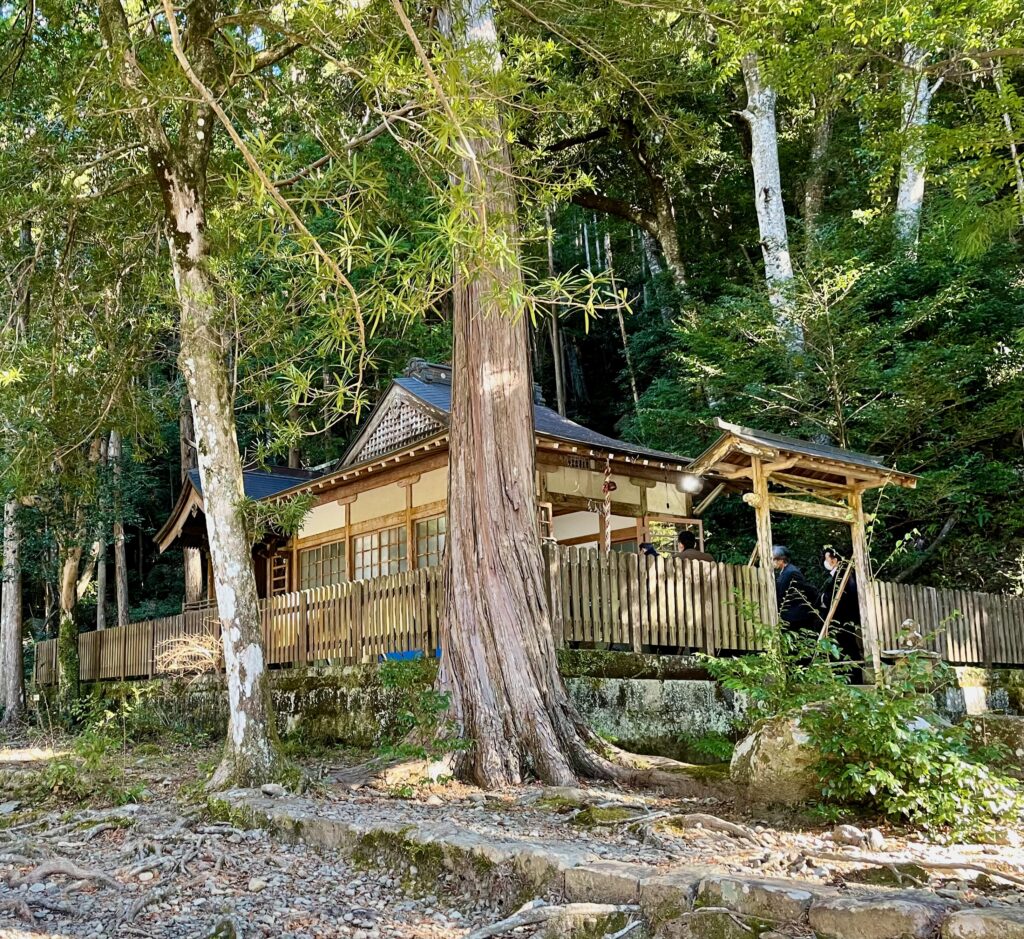
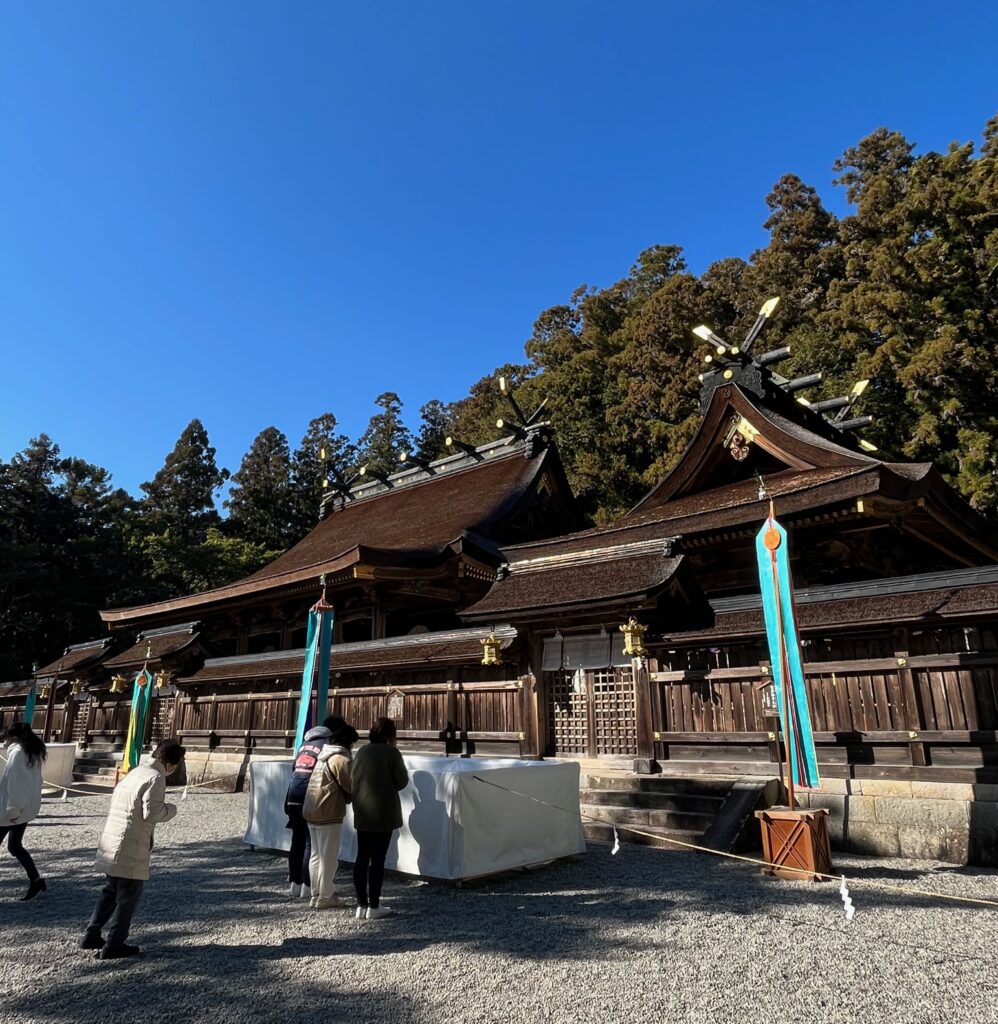
After crossing the finish line at the grand shrine, make sure to visit the nearby Oyunohara — the original site of Kumano Hongu Taisha. A towering torii gate stands quietly in the middle of rice paddies, an unforgettable final image after a long day on trail. Accommodation and restaurants are available in the area.
Section Guide
The entire route is well-maintained with few technical hazards, but each section has its own character.
Takijiri-oji → Chikatsuyu
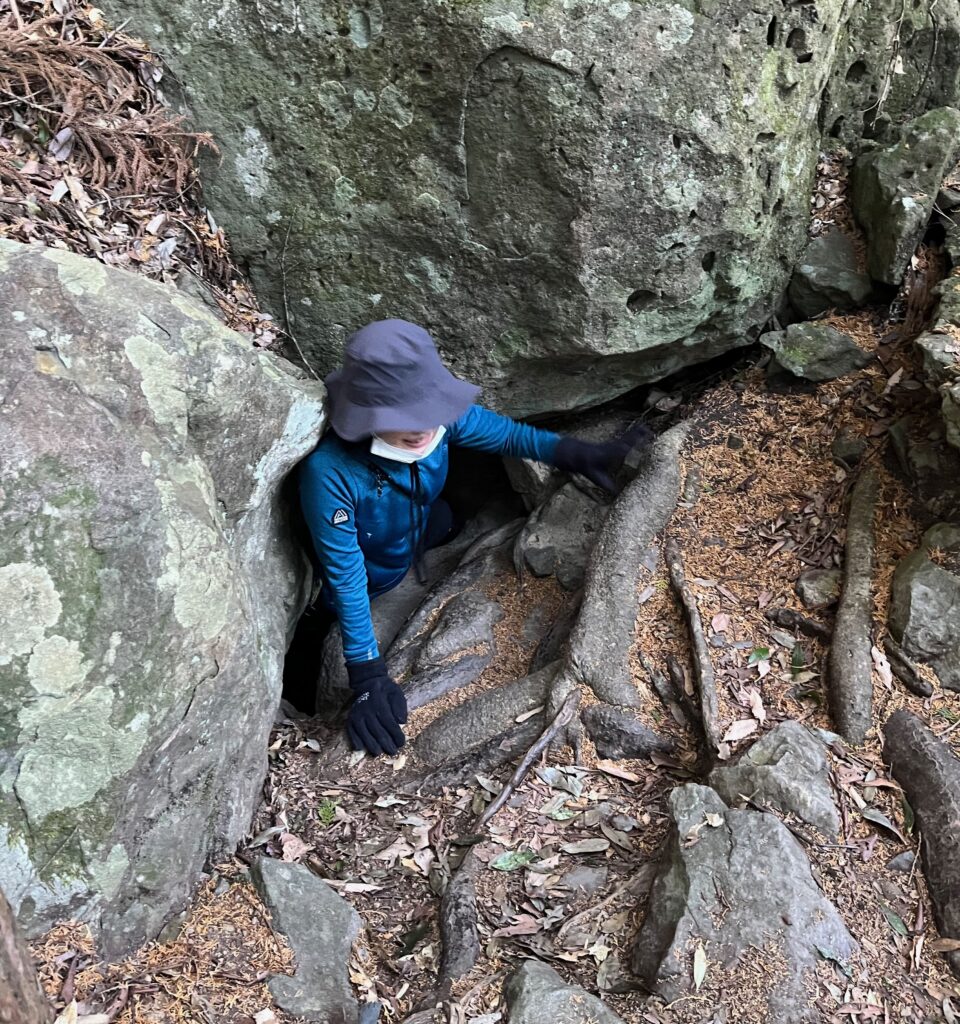
Shortly after leaving Takijiri-oji, you’ll encounter a spot called Tainai-kuguri (胎内くぐり) — a narrow passage through rock that pilgrims squeeze through, symbolizing rebirth. It’s a tight fit; larger-framed runners may need to get creative.
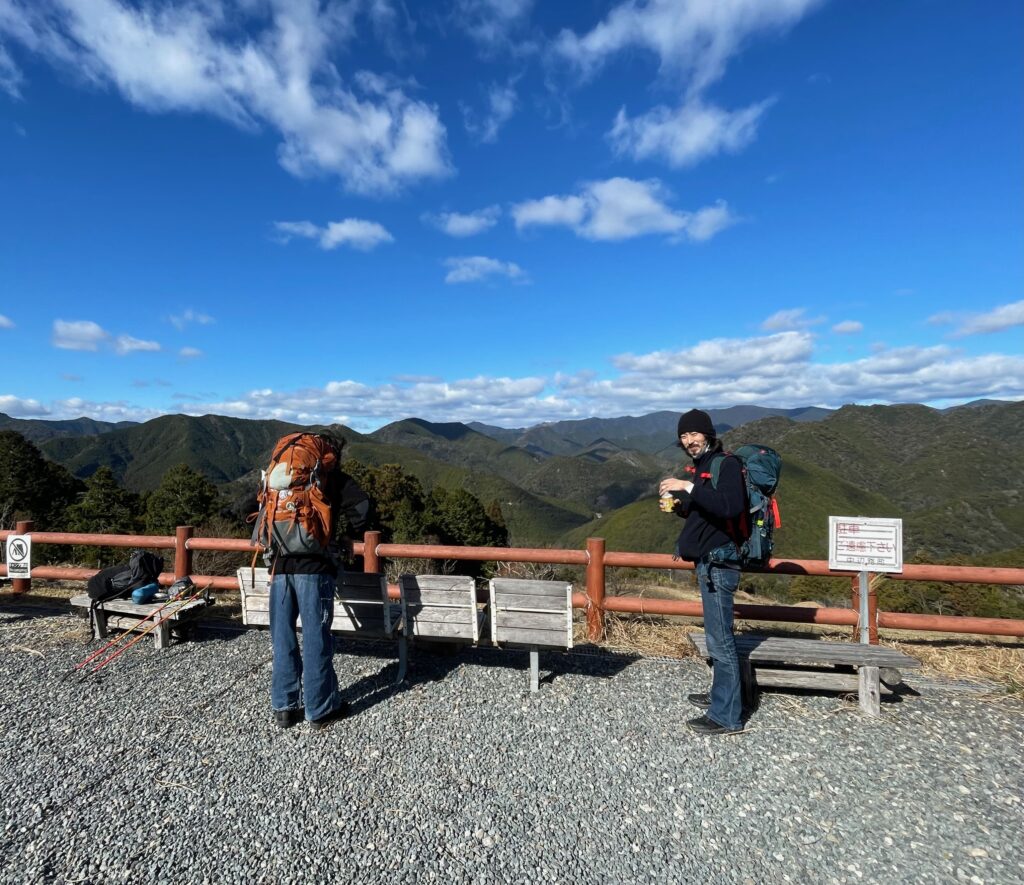
Route 311 runs parallel to this section, so escape is easy if weather turns or you need to bail. The roadside rest stop Michi-no-Eki Kumano Kodo Nakahechi is a great place to refuel and rest.
Chikatsuyu → Kobiro-toge
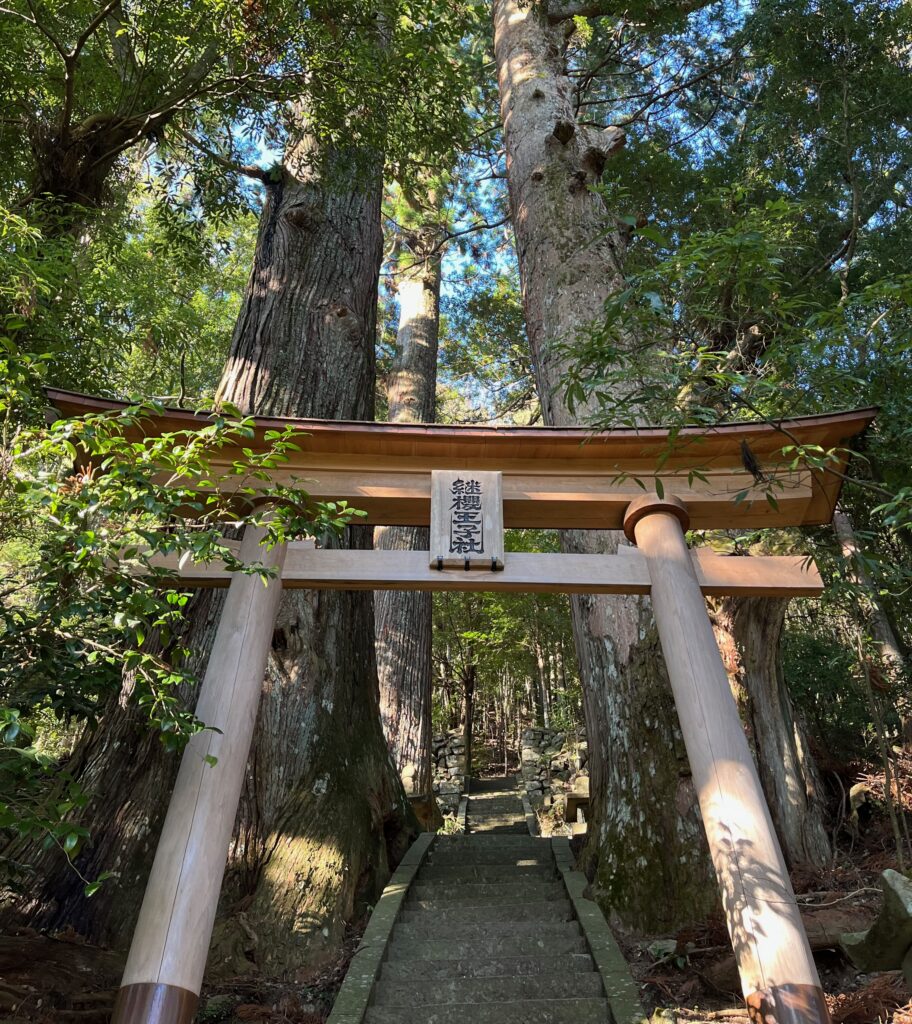
This section also runs alongside Route 311 and is mostly paved. Highlights include the Nonaka-no-Shimizu spring and Tsugizakura-oji shrine. Chikatsuyu has a supermarket (A-Coop) and several guesthouses — a natural overnight stop for multi-day plans.
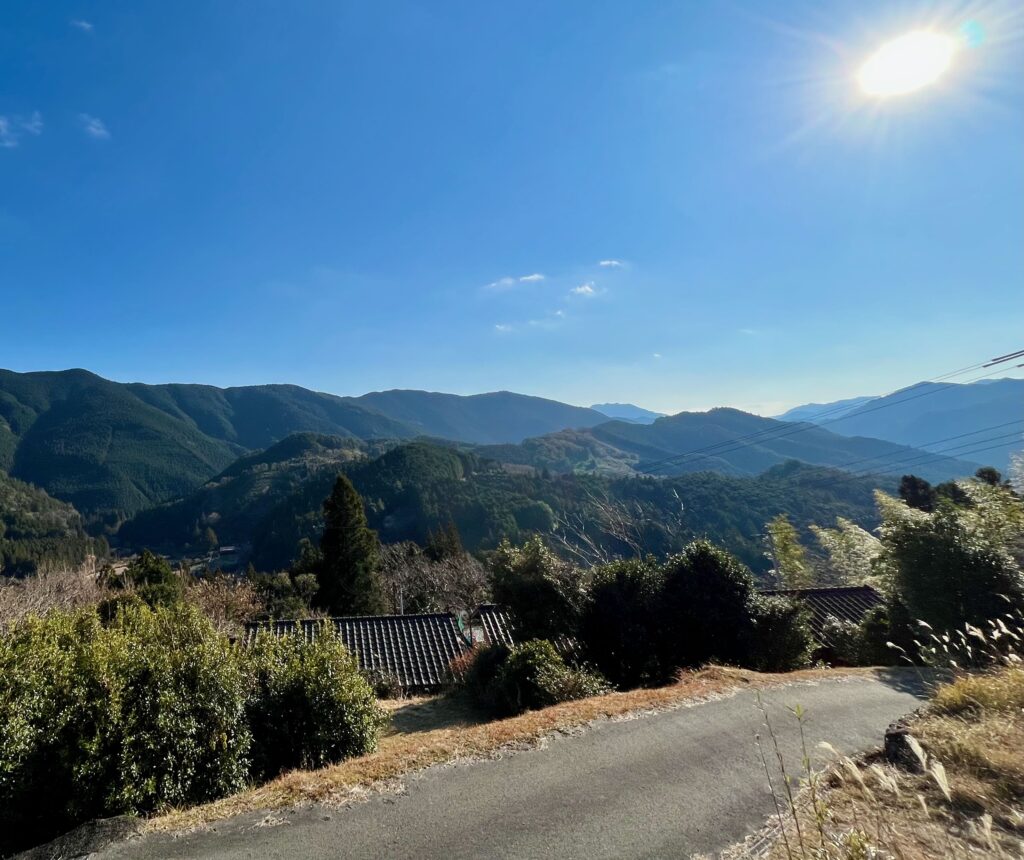
Kobiro-toge → Hosshinmon-oji
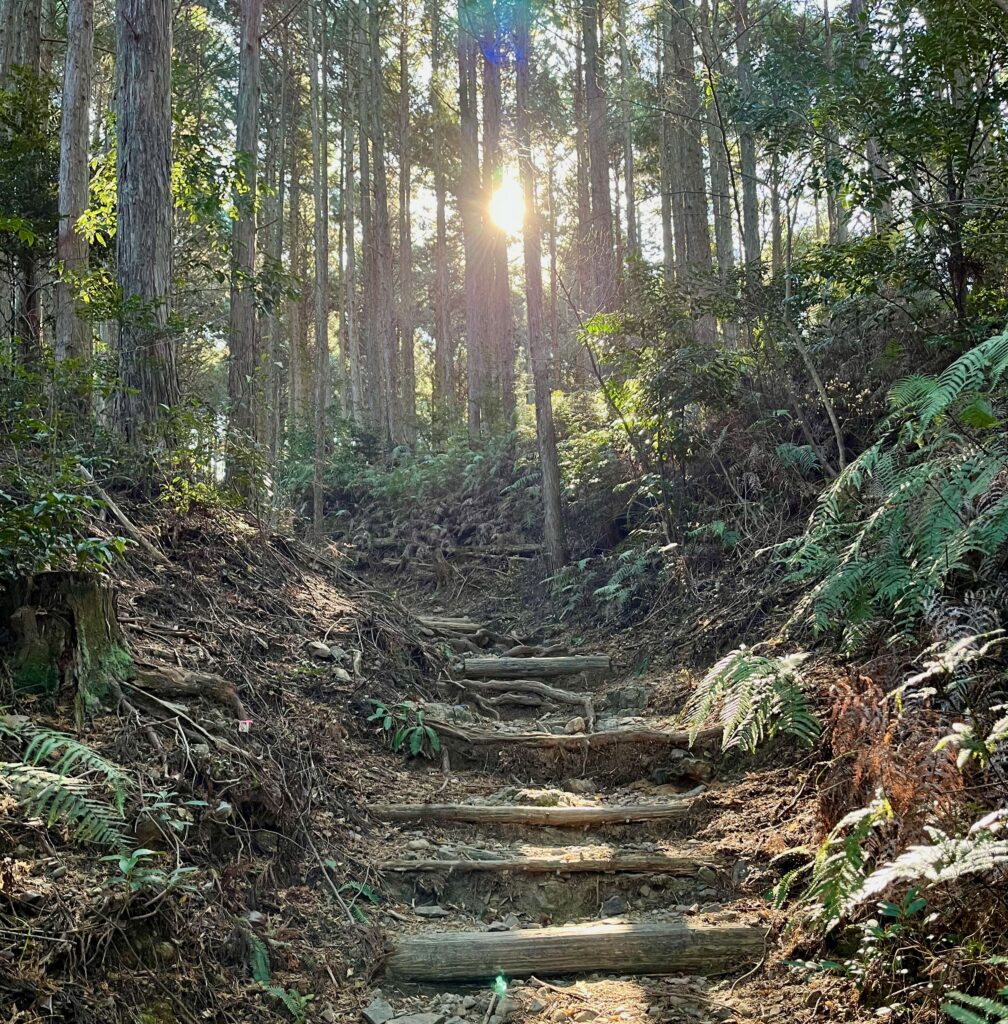
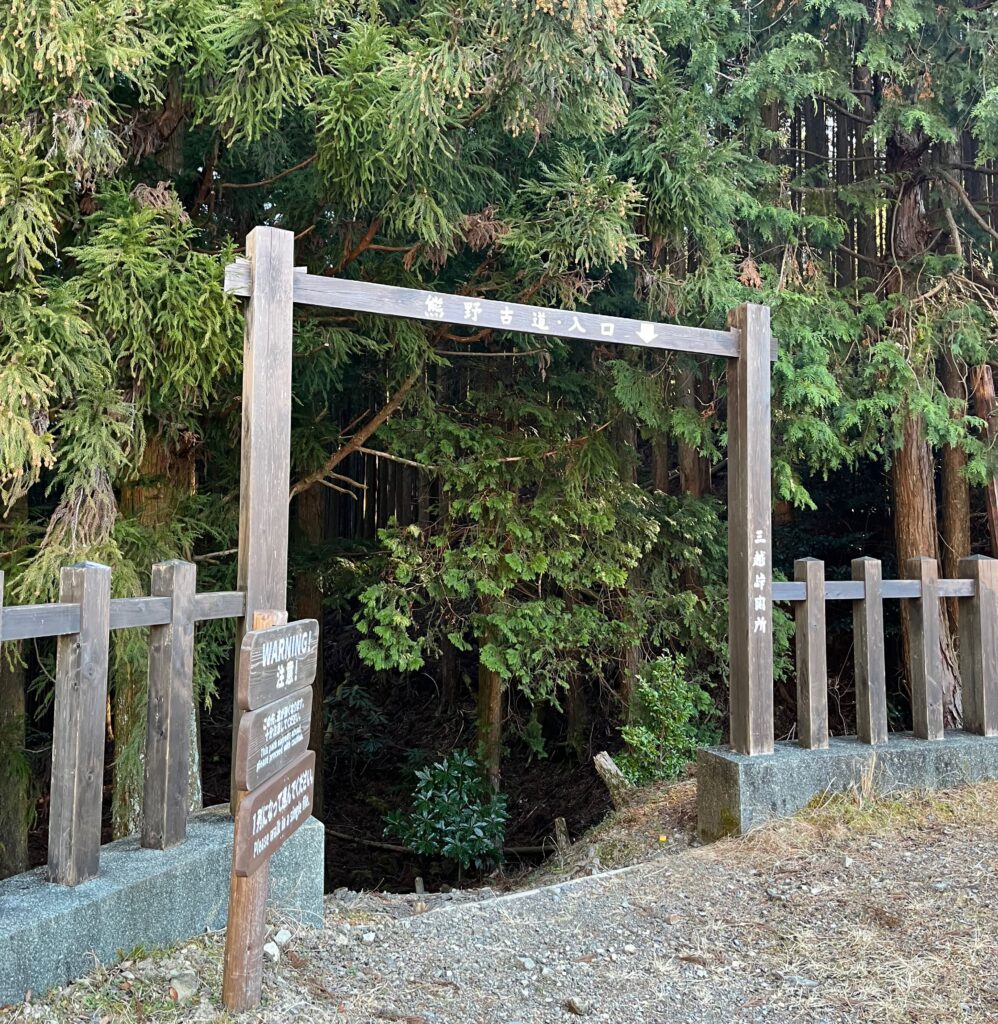
This is where things get serious. Escape becomes difficult, and the route crosses a genuine mountain pass. Before entering this section, stock up on water and food. The Mikoshi-toge checkpoint has a vending machine and rest area — plan to stop there and pace yourself accordingly. Not recommended for beginners without preparation.
Hosshinmon-oji → Kumano Hongu Taisha
The final stretch brings you back into settled areas, with mostly paved roads through villages. The “Forest of Rebirth” section feels longer than it looks on the map — stay patient. Soak in the ancient atmosphere and enjoy the final kilometers to the shrine.
What Are “Oji”?
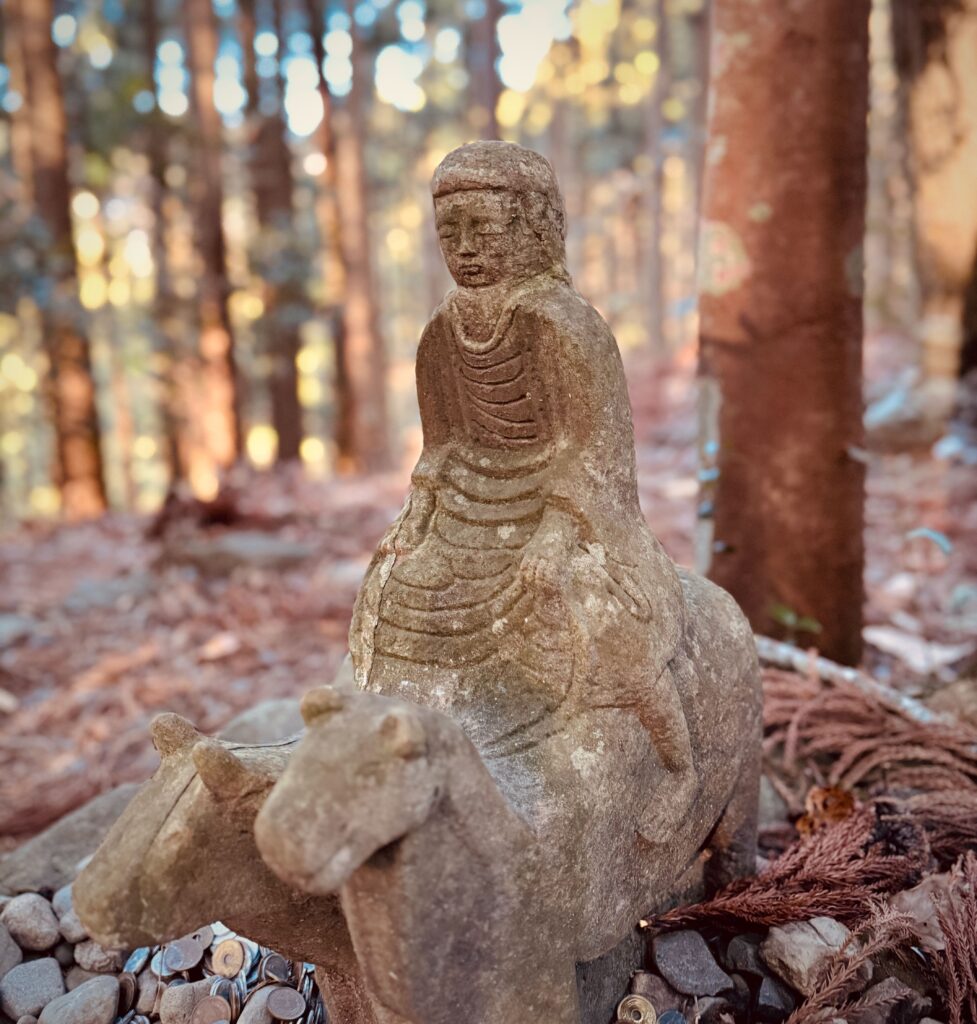
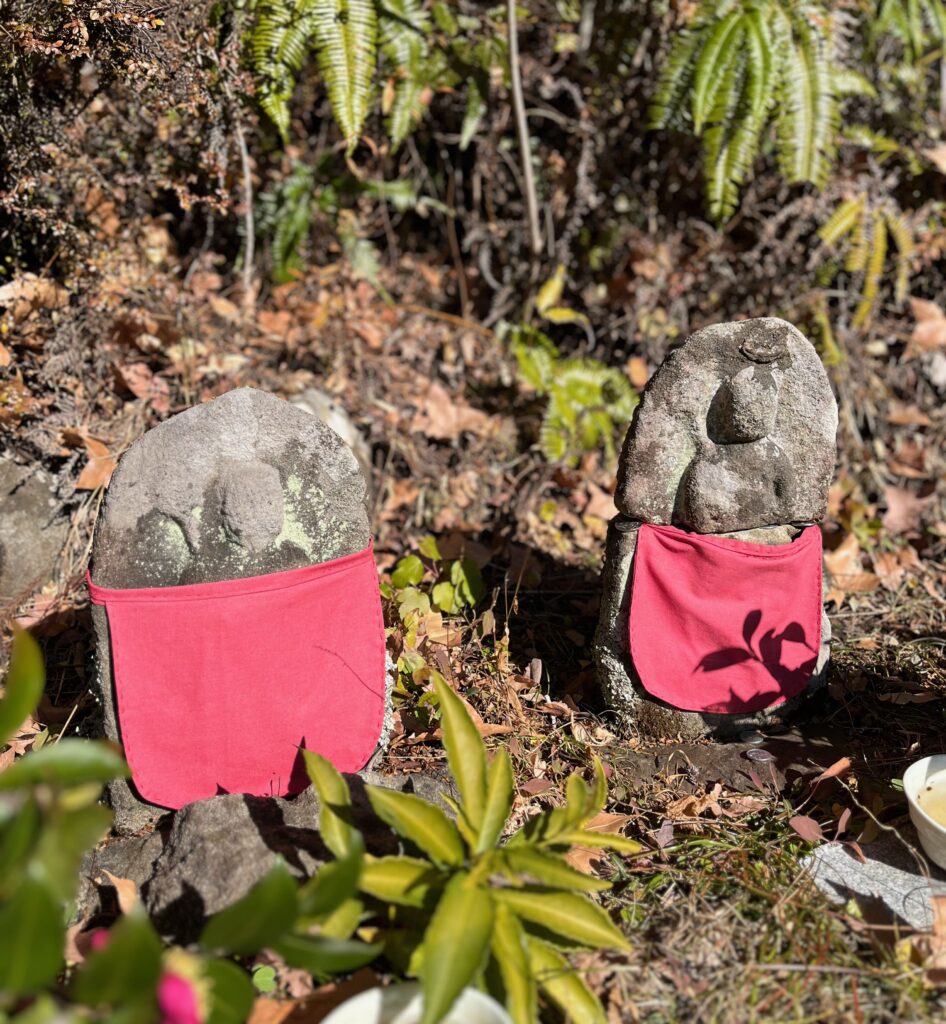
You’ll notice many stops along the route are named “oji” (王子). These were small shrines dedicated to the children of the Kumano deity, where pilgrims performed rituals during their journey. Many are now historical markers rather than active shrines, but they remain meaningful waypoints along the trail.
Accommodation & Resupply
Accommodation is concentrated in three areas: around Kii-tanabe Station (recommend: Hotel Kii-tababe), Chikatsuyu, and Kumano Hongu Taisha. For a multi-day run or hike, using Chikatsuyu as a midpoint base is the standard approach.
Accommodation near Kumano Hongu Taisha fills up fast — if it’s fully booked, consider extending to Yunomine Onsen, or heading back to Kii-Tanabe or onward to Shingu Station by bus.
Gear & Blister Prevention
The Kumano Kodo is manageable, but unprepared feet will end your trip early. A few things that make a real difference:
Trekking poles — Proper poles distribute the load across your whole body, not just your feet. Game changer on the steeper sections like Mikoshi-toge.
Trail running shoes — a cushioned trail shoe like Hoka handles the uneven stone steps far better than city walking shoes. Grip and cushioning both matter on this trail.
Merino wool socks with cushioning — Smartwool is the go-to brand. Cotton holds moisture and that’s what kills your feet over a long day.
Tape the forefoot before you start, not after the blisters appear. A few strips of kinesiology tape makes a surprising difference on those stone steps.
Tape your ankles too. The uneven terrain makes ankle rolls a real risk — a simple preventive wrap before you set off is cheap insurance.
Go as light as possible. Leave anything non-essential at your hotel or in a coin locker at the station — every extra kilo shows up in your feet by hour three.
Practical Tips
Navigation
Despite being well-marked, the trail has many forks. Always carry a GPS device or downloaded map — don’t rely on phone signal alone.
Trail Etiquette
The Kumano Kodo is a living pilgrimage. Many people walk it slowly and reflectively. If you’re running and overtaking hikers, slow down, give a verbal heads-up, and be mindful of the contemplative atmosphere. This is sacred ground, not a race course.
After the Trail
Hot Springs
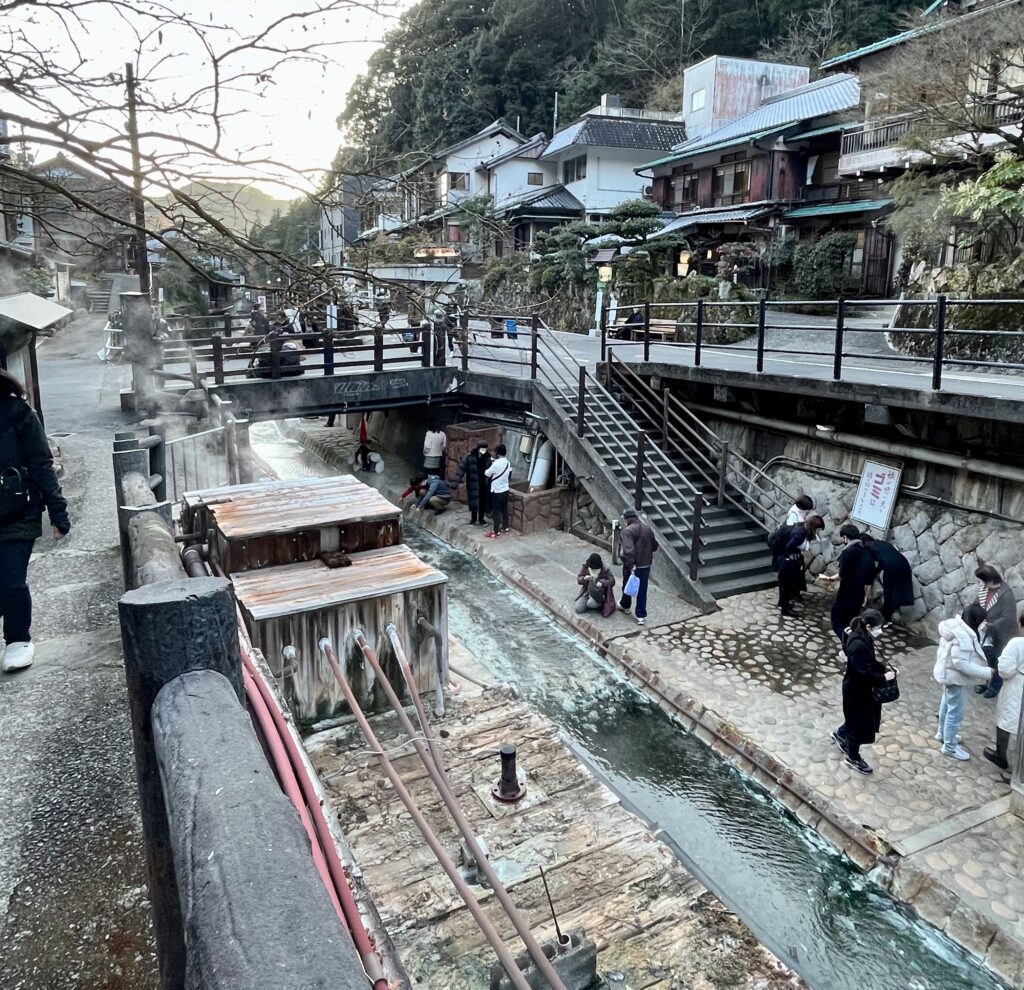
Your legs have earned it. Head to Yunomine Onsen — one of Japan’s oldest hot springs, just minutes from the shrine — or Kawayu Onsen, where you can soak in a riverside bath. Both are accessible by bus from Kumano Hongu Taisha. There is also a trail leading from Kumano Hongu Taisha to Yunomine Onsen.
Getting Home
From Kumano Hongu Taisha, take a bus to either Shingu Station (JR Line toward Nagoya) or Kii-Tanabe Station (connecting to Shirahama Airport for flights to Tokyo, or Osaka by train).
Final Thoughts
From central Japan, the Kumano Kodo takes a full travel day to reach — roughly equivalent to flying to Okinawa. But it’s worth every minute.
If you’ve heard that “every Japanese person should climb Mt. Fuji at least once,” the same can be said of the Kumano Kodo. This 1,000-year-old pilgrimage route — World Heritage listed, walked by emperors and commoners alike — may well be the path your own ancestors once traveled.
Kumano Hongu Taisha is known as a place of rebirth and renewal (yomigaeri, よみがえり). If you’re entering a new chapter in life, this trail was made for you.
The Nakahechi is one of the most accessible routes in the Kumano Kodo network — manageable in a single day for strong runners, or a relaxed two-day hike for everyone else. Once you’ve completed it, the Kohechi and Iseji routes are waiting.